


❋
Conscious Stays
Places to rest that respect where they stand — shaped by nature, guided by responsibility, and rooted in the territory.
_
The role of certified accommodations, carbon measurement, and community partnerships.
As a Certified B Corp™ by B Lab, Onesixth Expeditions believes that designing journeys in Argentina carries a clear responsibility: creating meaningful, high-end experiences while actively reducing environmental and social impact.
Today, it is widely recognized that the two components generating the highest CO₂ emissions in most travel itineraries are flights and accommodation. While air travel is often unavoidable in a country as vast as Argentina, the way a trip is designed allows for strategic decision-making in the second major impact area: where and how travelers stay.
From the very first consultation, the Onesixth Expeditions sales team integrates sustainability criteria into hotel selection—prioritizing properties with verified environmental certifications, active reduction policies, and, whenever possible, measurable carbon accounting systems. This is not simply about choosing exceptional hotels. It is about choosing responsible ones.
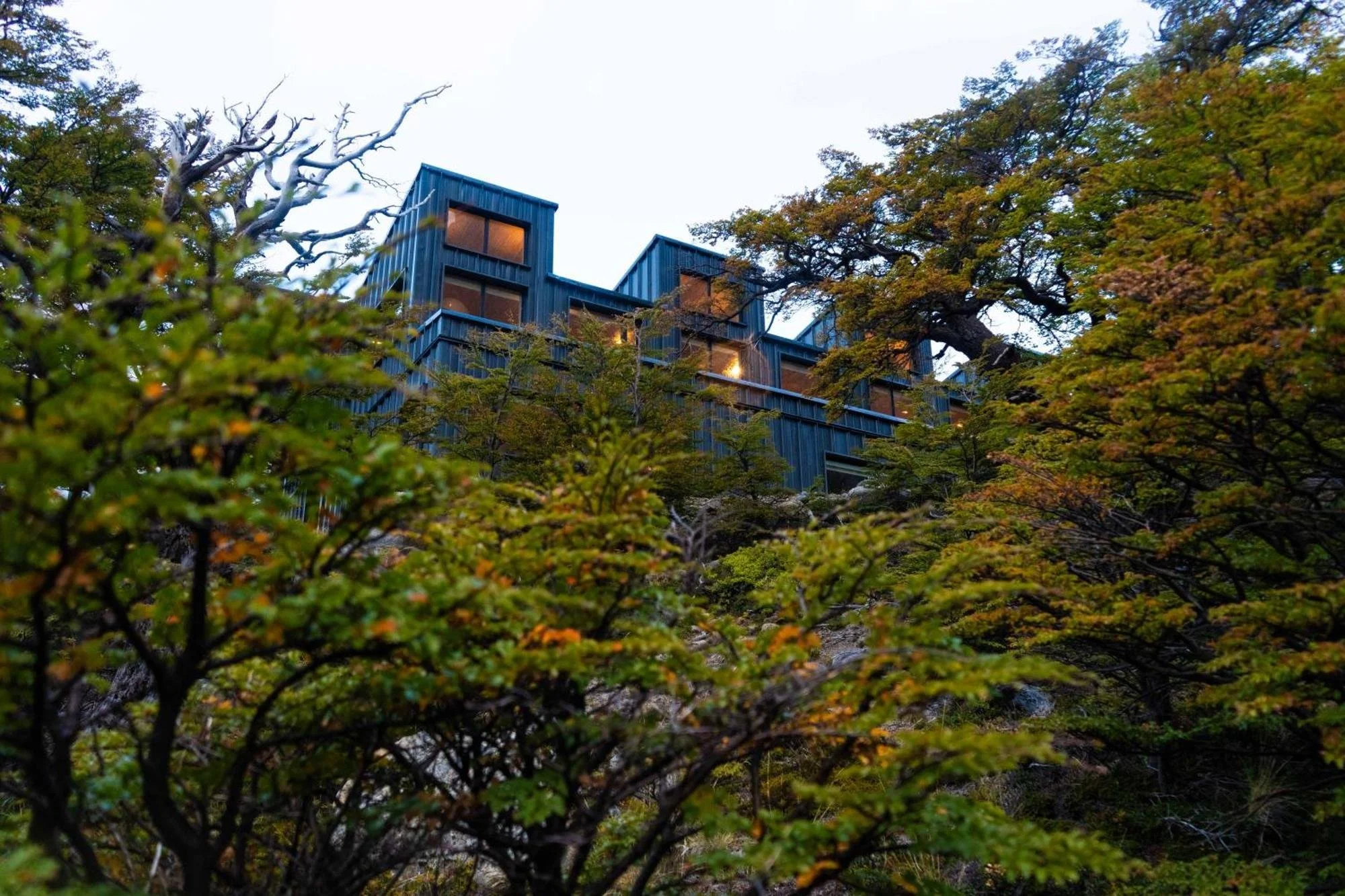
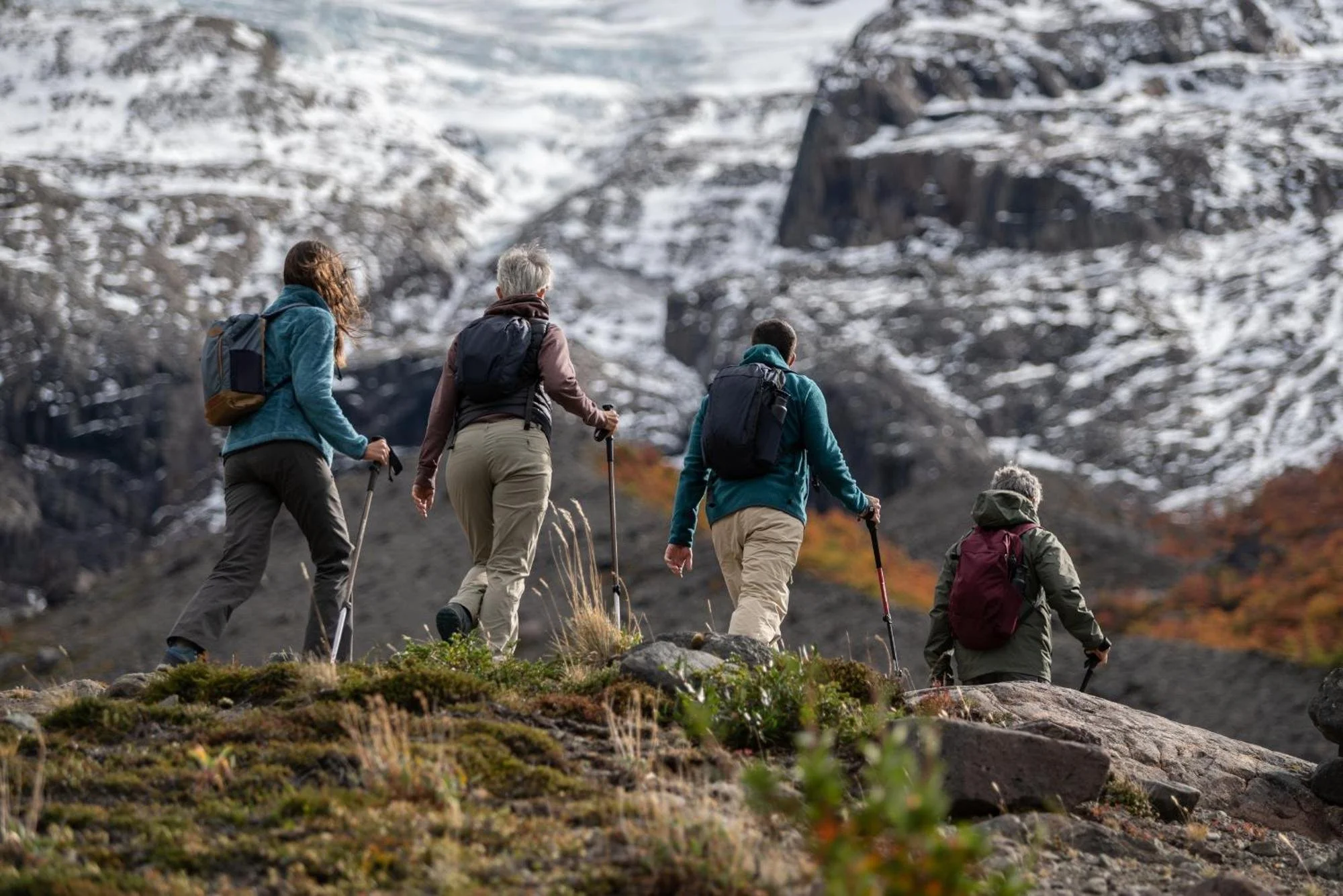
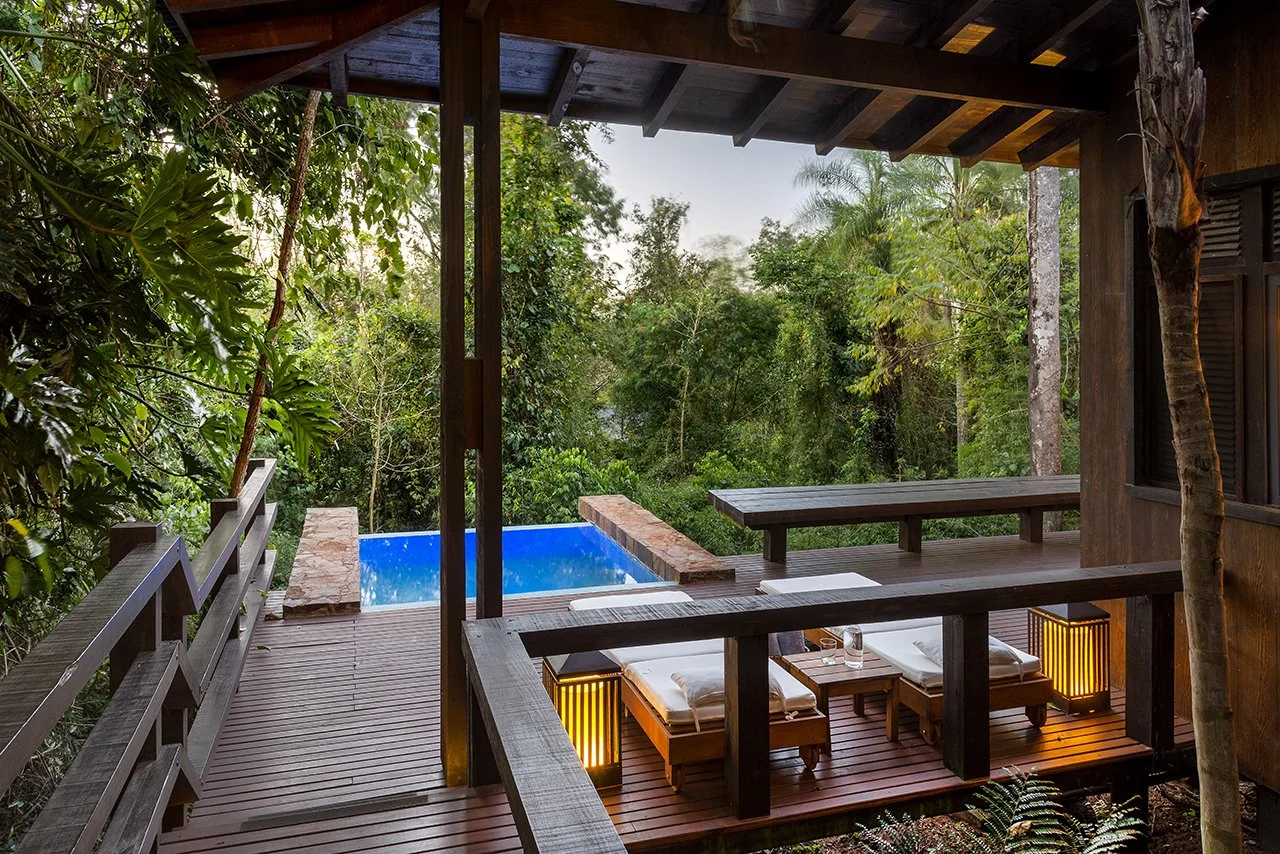

Hotel operations are inherently resource-intensive. They require constant energy for heating and cooling, significant water consumption, daily laundry services, supply-chain logistics, food operations, and structured waste management. In remote destinations — deep Patagonia, the Andean highlands, or subtropical forests — these demands can be even greater, particularly when infrastructure is limited and environmental management is not carefully designed.
“Selecting certified accommodations, therefore, is not a symbolic gesture. It is a structural decision”.
In Argentina, one of the most recognized sustainability programs is Hoteles Más Verdes, an eco-label aligned with the standards of the Global Sustainable Tourism Council. The program assesses properties through a comprehensive framework that measures environmental management systems, energy and water efficiency, waste reduction, social impact, and community engagement. Hotels are awarded Bronze, Silver, or Gold levels based on their degree of compliance and commitment to continuous improvement.
Other certifications are also gaining visibility in Patagonia, including hotels operating under the B Corp™ framework certified by B Lab™. This certification extends beyond environmental criteria to evaluate governance, transparency, worker welfare, and long-term social responsibility — positioning sustainability as a core business model rather than an isolated initiative.
At the same time, several high-end lodges located in environmentally fragile regions of Argentina are advancing further by measuring the carbon footprint across all operational areas — from energy consumption and transportation logistics to food sourcing and waste streams — often applying internationally recognized methodologies such as the GHG Protocol.
In ecosystems that are particularly sensitive — remote Patagonian landscapes, high-altitude deserts, or protected natural areas — this level of measurement and accountability is critical. It helps ensure that tourism minimizes its environmental footprint and actively contributes to conservation rather than degradation.
These certifications require independent audits, clear performance indicators, and ongoing improvement processes. They represent measurable accountability — not marketing language.
REMOTE AND EMERGING DESTINATIONS
“We see travel as responsibility and business as impact, embedding sustainability into our governance, operations and growth strategy while recognising tourism as both an economic driver and a climate actor — and acting accordingly with measurable commitments”.
In remote or emerging destinations, sustainability acquires a deeper meaning. Tourism becomes a matter of intention: it can extract from a place, or it can help it grow. When travel is designed in partnership with local communities, cooperatives, foundations, and small-scale lodges or hosterías, revenue remains rooted in the territory. It generates meaningful local income, reinforces educational and social initiatives, safeguards cultural identity, and fosters low-impact, human-scale development.
Not every community-led property carries international certifications, yet many operate through quiet but powerful principles — circular economy, local sourcing, minimal infrastructure, and deep respect for surrounding ecosystems. When thoughtfully integrated into an itinerary, these places do more than host travelers; they expand perspective and distribute the benefits of tourism with greater balance and care.
Because traveling well also means traveling responsibly.

The Value of Tailor-Made Travel:
A Commitment to the Destination
Tailor-made travel is more than a luxury service — it is a strategic sustainability tool. Thoughtfully designed itineraries allow for the prioritization of certified accommodations where available, the integration of responsible community lodges in emerging regions, the optimization of flight routes to avoid unnecessary connections, and balanced pacing that minimizes excessive internal transfers.
In a country as geographically vast and environmentally sensitive as Argentina, these decisions are not minor details. They create measurable differences in carbon emissions, local economic impact, and ecosystem preservation.
Tourism has the power to deplete destinations — or to help regenerate them. The distinction lies in how journeys are designed. Incorporating certified hotels, supporting carbon measurement practices, and working closely with local communities are not passing trends; they are essential commitments to protecting the landscapes, cultures, and communities that make Argentina extraordinary.
Isla Leones, Parque Marítimo Costero, Chubut / ph: Rewilding Argentina